
Indo-Pacific Security Program
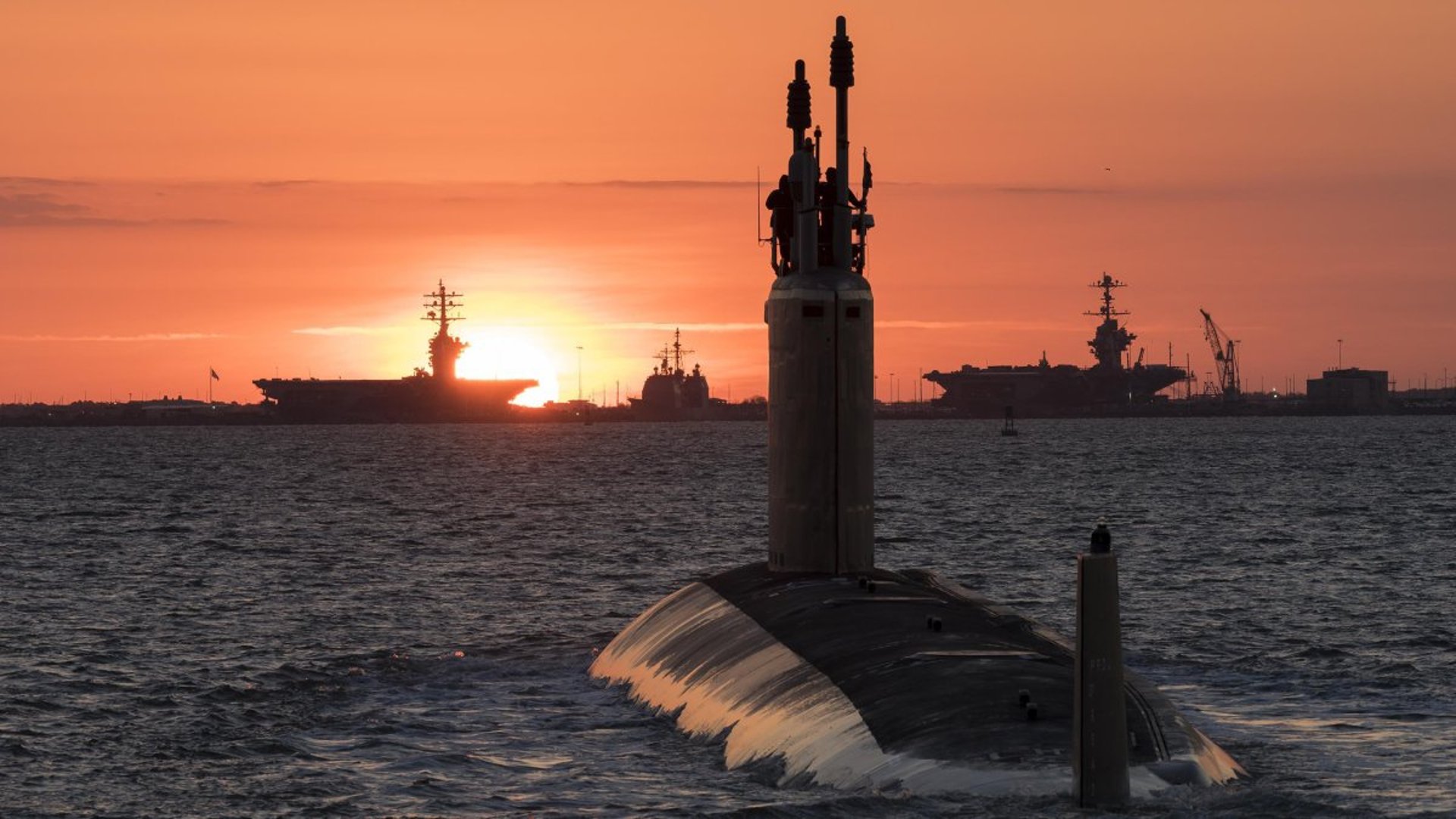
The Indo-Pacific is no longer just a regional arena—it has become the world’s economic and geopolitical center of gravity. It is here that the United States and China are locked in a contest that will help define the course of the 21st century. At the same time, North Korea’s nuclear and conventional capabilities remain a volatile flashpoint, raising the risk of escalation and even major-power conflict. Across the region, America’s allies and partners are not standing still—they are building new networks, testing fresh approaches to security, and pursuing their interests with growing urgency. For the United States, its role in the world will increasingly depend on whether it can get the Indo-Pacific right.
CFADP Indo-Pacific Security Program examines both the opportunities and the challenges facing the United States in the region. Our focus extends beyond bilateral ties to include the unilateral and multilateral frameworks that are shaping a new security order—one aimed at ensuring open sea lanes, respect for sovereignty, and a stable foundation for peace and prosperity.
Drawing on expertise from government service, defense analysis, international security, and regional affairs, the program is designed to bridge ideas with action. We seek not only to understand the trends reshaping the Indo-Pacific but also to craft forward-looking, practical policy options that strengthen America’s role in the region.
At its core, the program is organized around four central research priorities:
Shaping the Balance: The U.S.–China Contest in Security and Statecraft :
Advancing an Integrated and Resilient Indo-Pacific
The defining feature of the Indo-Pacific is the intensifying contest between the United States and China for influence, power, and legitimacy. This competition extends far beyond military posturing, encompassing diplomacy, economic statecraft, technological leadership, and the ability to shape regional rules and norms. Trade, infrastructure investment, supply chains, and digital governance have become as decisive as naval deployments. How this rivalry is managed will shape the balance of power, determine whether the region remains free, open, and governed by international law, and influence the strategic choices of regional states. For allies and partners, the challenge is navigating this competition without being forced into zero-sum choices. Ultimately, the Indo-Pacific will be the central arena shaping the future global order.
South and Central Asia remain critical yet fragile theatres that directly influence Indo-Pacific security. Persistent instability in Afghanistan, the threat of terrorism, and unresolved border disputes continue to reverberate across the wider region. Energy competition, governance challenges, and external influence—whether from China, Russia, or regional power brokers—further complicate U.S. strategy. For Washington, securing stability here demands an integrated approach that blends counterterrorism, economic investment, and diplomacy, while working closely with partners such as India and regional organizations. U.S. lawmakers play a vital role in ensuring sustained attention and resources are devoted to a region too often overshadowed by larger power rivalries. Stability in South and Central Asia is not only essential to local peace but also to the resilience of the broader Indo-Pacific order..
The future stability of the Indo-Pacific depends on more than traditional alliances—it requires a security framework that is integrated, adaptable, and resilient. U.S. lawmakers play an increasingly central role, shaping strategy, funding defense cooperation, and ensuring that America’s regional commitments remain credible over time. Partnerships such as the QUAD linking Australia, India, Japan, and the United States—and AUKUS represent critical pillars of this emerging order. Together, they enable joint military exercises, advanced defense technology collaboration, and stronger maritime security. By fostering a networked approach rather than rigid blocs, the United States and its allies can deter aggression, uphold sovereignty, and sustain a stable balance of power that underwrites peace and prosperity across the Indo-Pacific.
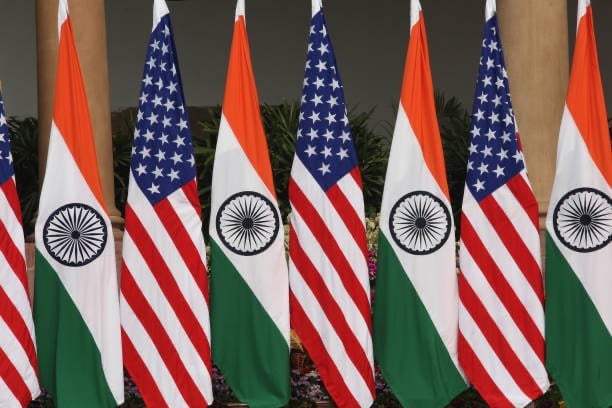
India is indispensable to the future of the Indo-Pacific. As the world’s largest democracy, a fast-growing economy, and a rising military power, India has the capacity to shape regional stability and balance. Yet realizing the full promise of the U.S.–India partnership remains unfinished work. Persistent challenges—from trade disputes and defense procurement barriers to divergent strategic traditions—have slowed progress. U.S. lawmakers, alongside policymakers in New Delhi, will need to invest in trust-building measures and bold new initiatives to unlock this partnership’s potential. Expanding cooperation in defense technology, maritime security, clean energy, and critical minerals can anchor a relationship that not only strengthens both nations but also reinforces a free and open Indo-Pacific.


Securing Stability in South and Central Asia
Harnessing the Strategic Potential of U.S.–India Relations:
Reserch & Analysis
Events
Career & Culture
Center for Foreign Affairs & Defense Policy
COLUMBIA HEIGHTS - Post Office™
3321 GEORGIA AVE NW,
WASHINGTON, DC 20010
INQURIES
communications@cfadp.org
© 2026. All rights reserved.